

The Ugly Truth in Cancer Treatment
Is Your Biopsy Tissue Being Wasted?
In the fight against cancer, we celebrate every medical breakthrough—every new targeted therapy, every successful clinical trial, and every technology promising a more personalized approach. Yet, beneath the surface of this rapid advancement lies a startling, systemic failure in the most foundational step of a patient’s journey: the preservation of their diagnostic tissue.
Imagine being told that the tiny piece of you—the biopsy that holds the key to your tumor’s identity—is often processed in a way that dramatically limits its future use. Imagine learning that the standard medical procedure, a century-old technique, essentially “locks away” the most valuable data your tumor holds, potentially barring you from cutting-edge treatments and personalized vaccines down the road.
This isn’t a hypothetical scenario. This is the quiet controversy at the heart of modern oncology, and it is a paradigm that needs to shift yesterday: Most new cancer patients are not being told that cryopreservation (flash freezing) of their biospecimen is a critical, potentially life-saving option that the standard of care often fails to provide.
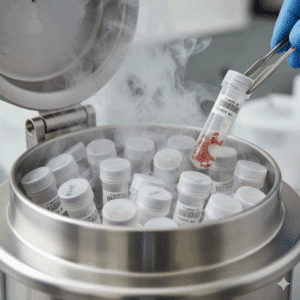
cryopreservation of tumor biopsy tissue and fluid
The 100-Year-Old Standard vs. Modern Precision
For roughly 100 years, the global standard for preserving diagnostic tissue has been Formalin-Fixed, Paraffin-Embedded (FFPE) processing.
When a biopsy is taken, the tissue is immersed in a chemical bath (formalin) and then encased in a block of wax (paraffin). This method is cheap, reliable for long-term storage, and—crucially—perfect for viewing under a microscope to make a histopathological diagnosis. FFPE is an excellent tool for determining WHAT the cancer is.
However, FFPE is a brutal process for the delicate molecular structures within the cells. Formalin is a powerful cross-linking agent. It chemically “fixes” the tissue, but in doing so, it damages and degrades the tumor’s most valuable cargo: RNA, proteins, and the viability of the tumor cells themselves. (All the things precision medicine needs for success)
When a cancer patient is treated today, we rely on these damaged samples for:
- Basic Biomarker Testing: FFPE tissue is used to sequence DNA and identify some genetic mutations (like those required for standard targeted therapies).
- Basic Immunochemistry: It helps determine the expression of certain proteins.
But in the age of precision medicine, “some” and “basic” are no longer enough.
The Opportunity Lost: Why Cryopreservation is the New Mandate
When tissue or fluid is cryopreserved (flash-frozen in liquid nitrogen immediately after collection), the cell structure is stabilized almost instantaneously. This method is the scientific gold standard for preserving samples for advanced research because it keeps the tumor cells and their molecular content pristine and, critically, viable.
The difference between the two preservation methods is not incremental—it is a chasm that can determine future treatment options, and in reality, life or death.
1. Advanced Biomarker Testing (The Full Picture)
Precision oncology is moving beyond DNA sequencing to analyze the transcriptome (RNA) and the proteome (proteins). These are the dynamic instructions the tumor is using right now to grow and evade the immune system. FFPE samples often have such degraded RNA and protein that these sophisticated, multi-omic tests are impossible or unreliable. Cryopreservation, however, protects these molecules, allowing scientists to get the most detailed, high-resolution portrait of the cancer possible. This can uncover rarer mutations or pathways that standard testing misses.
2. Pre-Treatment Drug Sensitivity Testing (THIS IS HUGE! – No More Guesswork)
This is where the paradigm truly collapses. The future of cancer treatment is ex vivo drug sensitivity testing—literally testing various drug combinations directly on the patient’s live tumor cells before they are given the treatment. This is precision medicine at its finest: understanding which drugs the patient’s specific cancer will respond to, eliminating guesswork, horrific side-effects and saving precious time for treatment.
This revolutionary testing requires viable cells. FFPE processing kills the tumor cells, rendering them useless for this purpose. Only cryopreserved, viable tissue or fluid can be used to grow the patient’s own tumor cells in the lab for personalized drug testing. If you don’t cryopreserve your sample, you are effectively closing the door on the most personalized form of treatment available today.
3. Future Clinical Trial Eligibility (You Only have ONE Chance to get it Right)
Clinical trials are the engine of progress, but many cutting-edge trials—especially those focused on cellular therapies or complex immunotherapy—often require fresh, non-fixed, or cryopreserved tissue for advanced screening or sample analysis. Patients whose only banked tissue is FFPE may find themselves ineligible for these groundbreaking opportunities years down the line, even if they relapse and need a new option. The tissue taken today is your insurance policy for tomorrow.
The Systemic Failure: A Lack of Communication
If the benefits of cryopreservation are so clear for personalized, future-proof treatment, why is it not the default?
The reasons are complex, rooted in institutional inertia, infrastructure challenges, and the historical comfort of pathologists with FFPE. However, the most immediate failure is the one affecting the patient: a failure of informed consent.
The standard of care remains centered around diagnosis (the FFPE part) and immediate treatment decisions. Most hospitals lack the necessary infrastructure to flash-freeze samples routinely, and the procedure is rarely discussed as an elective option.
The patient, overwhelmed by a terrifying diagnosis, trusts their medical team implicitly. They do not know to ask: “Will this sample be able to be used for advanced biomarker testing or pre-treatment drug sensitivity testing five years from now?” They are not told that by simply freezing a portion of the sample, they could retain access to emerging technologies that could transform their prognosis.
A Call to Action: Take Control with Specicare
This is a fire alarm for every person with a suspicious mass or a new cancer diagnosis. You cannot wait for the medical establishment to universally adopt this change—you must lead it.
When you or a loved one faces a biopsy or tumor removal, you must interrupt the standard procedure and ask the critical questions: “Can a portion of this tissue/fluid be cryopreserved?”
To navigate the complex logistics of proper sample handling, transport, and long-term storage, you have a powerful resource: Specicare.
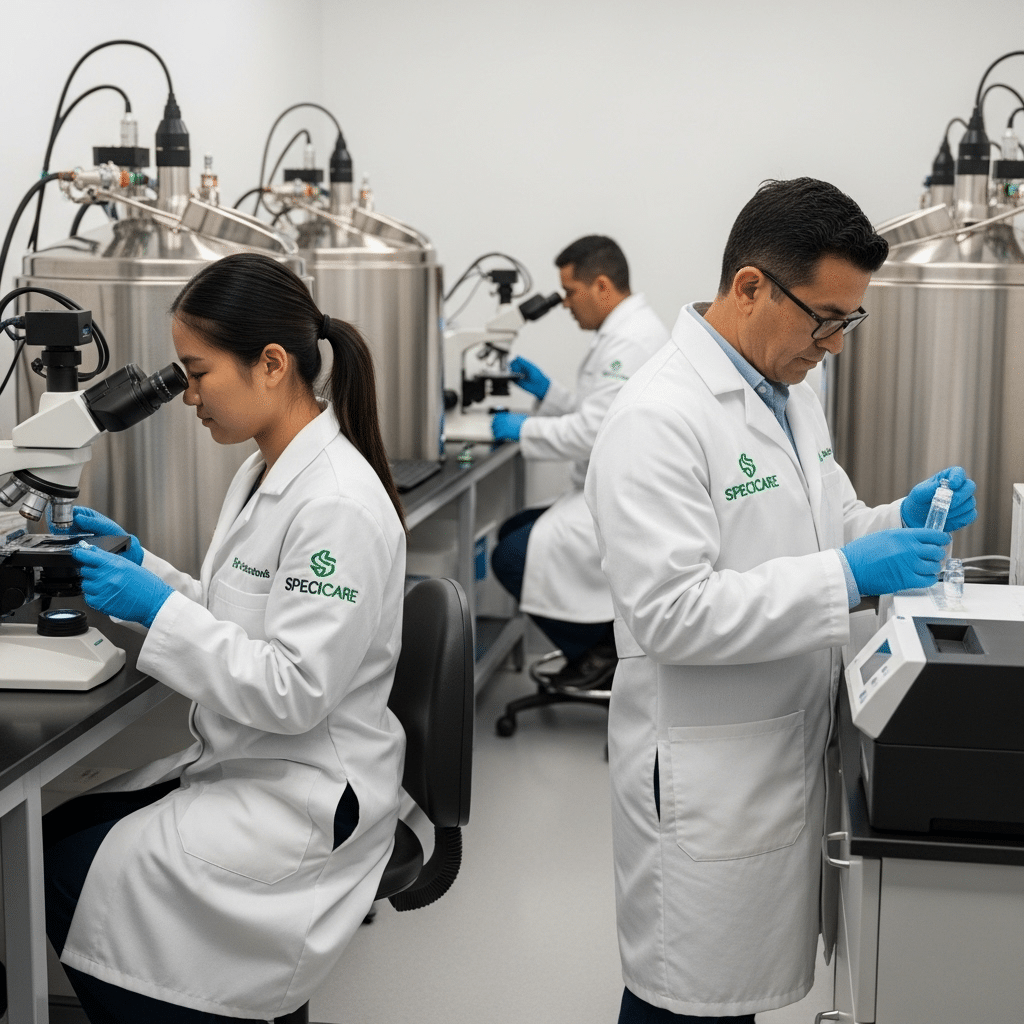
Specicare specializes in handling the patient biospecimen process, working directly with your medical team to ensure your vital tissue is properly preserved via cryopreservation, securely transported, and stored long-term, providing you continued access when you need it most. They remove the burden of logistics and coordination from the patient, making this critical step manageable.
The Investment in Your Future
While cryopreservation is not currently covered by most insurance plans, the process is surprisingly accessible. Self-pay patients can complete the entire Specicare process for a few hundred dollars.
Consider this small, upfront cost as an irreplaceable investment in your future cancer treatment. It is a one-time opportunity to secure access to the most advanced diagnostic and therapeutic tools available today and those yet to come. Securing your viable biospecimen is the ultimate medical insurance policy against a complex disease.
The technology exists right now to conduct personalized, precise, and highly effective treatment planning using viable, cryopreserved tissue. The only thing standing in the way is the inertia of a 100-year-old preservation method and a lack of patient awareness.
It is time to elevate the discussion from basic diagnosis to future-proofing treatment. Every person with a potential biopsy MUST speak with their doctor about cryopreservation of their biospecimen. They just MUST. Contact Specicare today to learn more and secure your cancer treatment future. Your life may depend on it.

Recent Comments