
Tissue Cryopreservation preserves tumor tissue at ultra-low temperatures so it can remain useful for future testing, evolving therapies, and clinical trial opportunities—without needing another biopsy later.

is the controlled freezing and long-term storage of tumor tissue (and sometimes blood) at extremely low temperatures. In plain English: it’s the difference between saving the original source file of your tumor vs. being stuck with a limited snapshot later.
because cancer care is changing fast—and the tissue you preserve today can influence what becomes possible months or years from now.

Most patients assume the biopsy is “just for diagnosis.” But how tissue is handled can impact what testing is even possible later. If future treatment decisions depend on additional analysis, a preserved sample can help prevent the “we wish we had more tissue” moment.


This is a strong fit if you:

No. Diagnosis still happens through standard medical processes. Cryopreservation is about preserving future optionality.
Cryopreservation planning is best done before tissue is collected so it’s handled appropriately at the start.
Long-term storage is the point—many patients store for years as new options emerge.
Tissue cryopreservation is the process of preserving tumor tissue at ultra-low temperatures so it can remain biologically useful for advanced cancer testing, evolving treatment options, and future clinical trial opportunities—without relying on another biopsy later. Instead of allowing valuable tissue to be used only for today’s diagnosis, cryopreservation helps protect that tissue as a long-term medical resource. For example, if a patient’s first cancer treatment stops working months or years later, properly cryopreserved tumor tissue may still be available for genomic profiling, treatment effectiveness testing, immunotherapy research, or clinical trial matching. In simple terms, it is like saving the “original blueprint” of the cancer instead of keeping only a damaged photocopy. For patients and physicians, cryopreserving biopsy tissue can help preserve more options, more answers, and more time when treatment decisions matter most.
is the controlled freezing and long-term storage of tumor tissue (and sometimes blood) at extremely low temperatures. In plain English: it’s the difference between saving the original source file of your tumor vs. being stuck with a limited snapshot later.
Why patients do it:
Patients choose tissue cryopreservation because about 50% of initial treatments fail. Cancer care is changing fast—and the tissue preserved today can help shape future testing, treatment options, and clinical trial access months or years from now. For many patients, a biopsy or surgery is be the best (or only) chance to preserve viable tumor tissue before it is altered, used up, or no longer available.
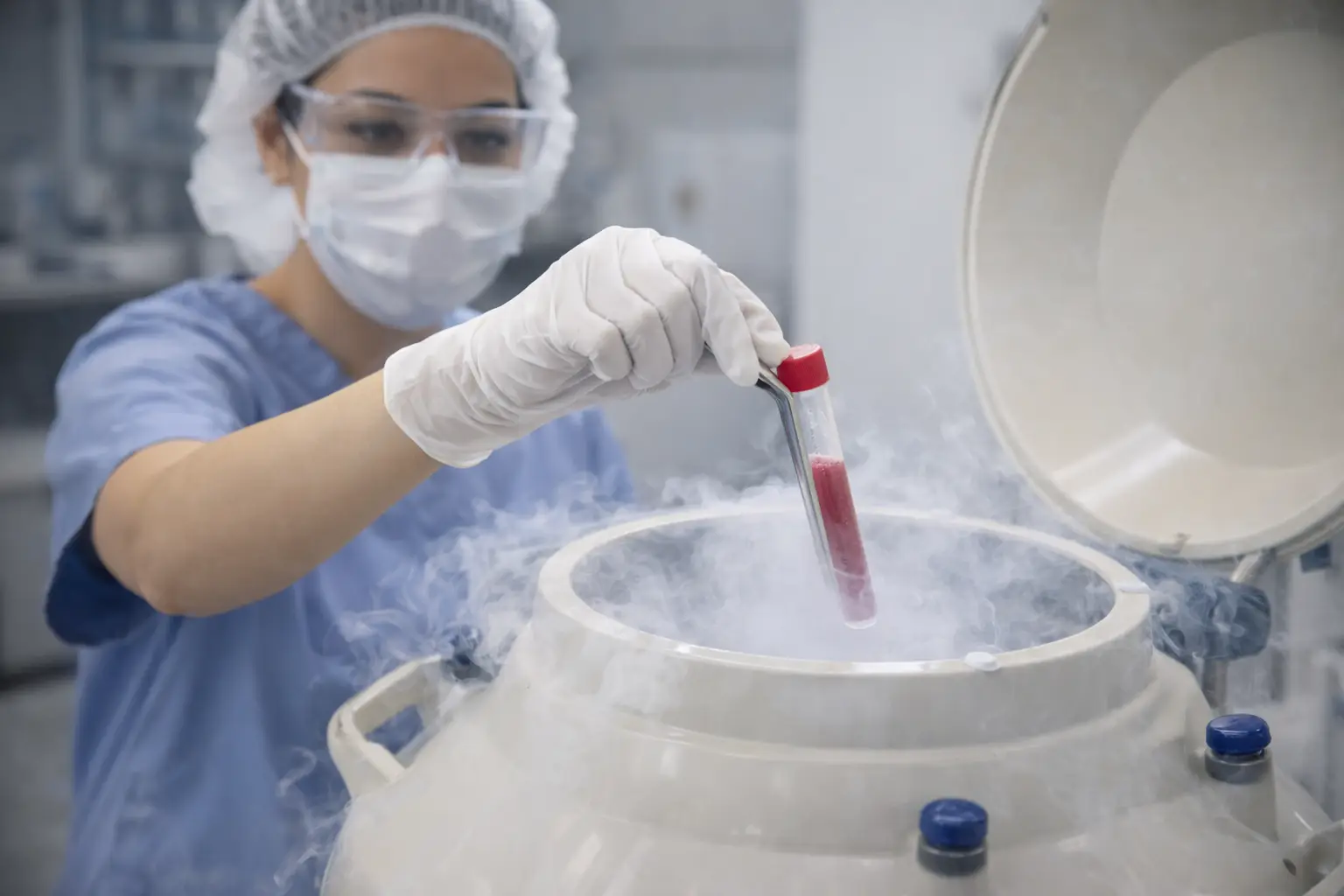
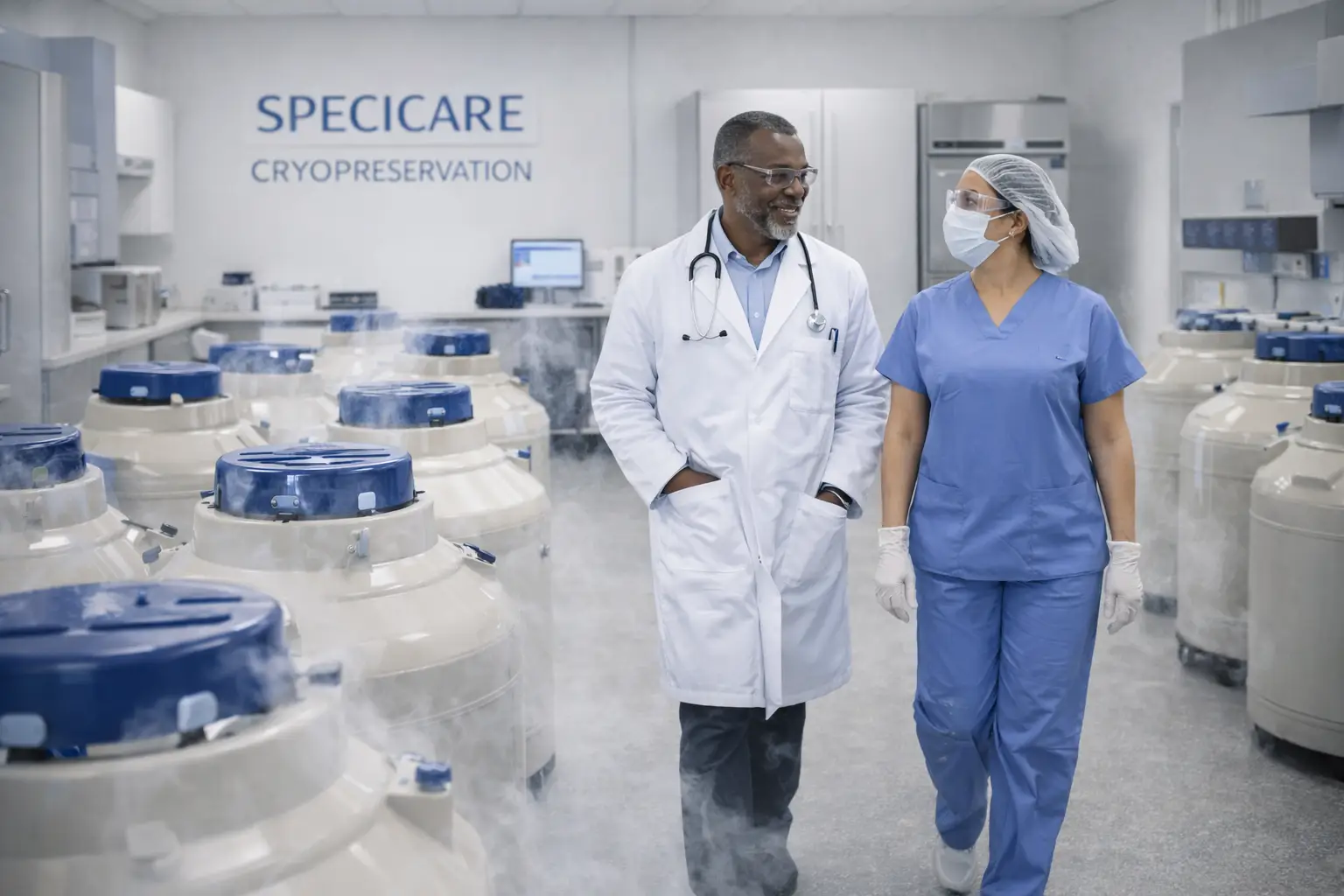
Most patients assume the biopsy is “just for diagnosis.” But how tissue is handled can impact what testing is even possible later. If future treatment decisions depend on additional analysis, a preserved sample can help prevent the “We wish we had more quality tissue” moment.
Prepare for treatment changes if first-line therapy does not work as hoped.
Keep tissue viable for advanced testing such as treatment effectiveness testing and genomic profiling.
Improve readiness for clinical trials that may require properly preserved tumor tissue.
Protect future opportunities for emerging therapies, immunotherapy research, and personalized vaccines.
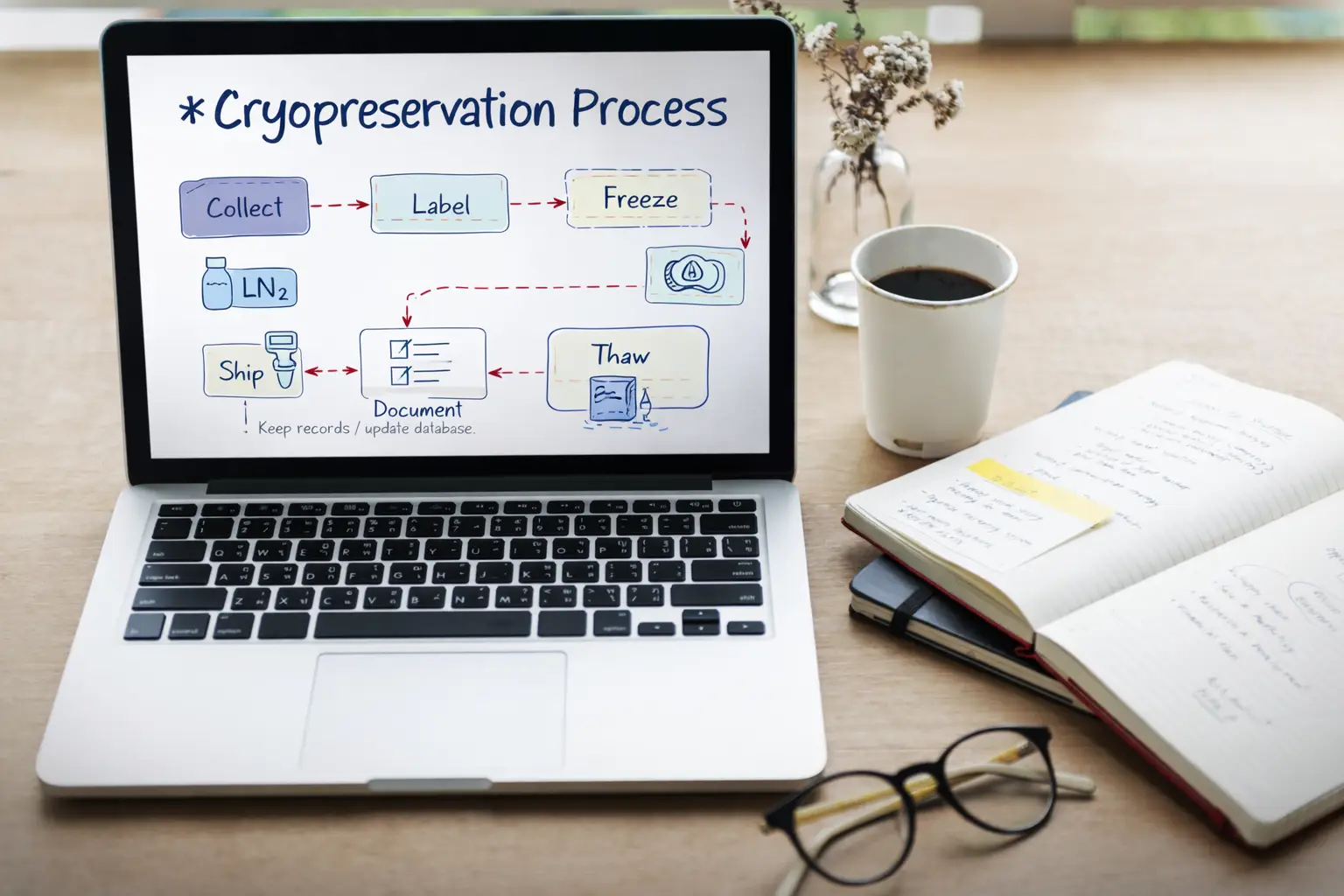

Tissue Crypreservation is a strong fit if you:
No. Diagnosis still happens through standard medical processes. Cryopreservation is the next step and is about preserving as many future options as are possible.
Not Really. Cryopreservation planning should be done BEFORE tissue is collected so it’s handled appropriately at the start.
Long-term storage is the point—many patients store for years as new options emerge.

Please complete the form to learn more about Cryopreservation of Tissue, Aspirate and Blood for advanced testing, treatment and long-term security.